
On EU Enlargement in Montenegro
The international conference of the Pan-European Union of Montenegro, entitled “Enlarging Europe, Greening and Securing Europe: Autonomy, Prosperity and Strategic Resilience”, took place in Podgorica from 17 to 19 September 2026.
The conference brought together representatives of the Pan-European Union, Montenegrin and European institutions, the diplomatic corps, academia and civil society from several European countries. Discussions focused on European Union enlargement, the green transition, European strategic resilience and the future of European cooperation.
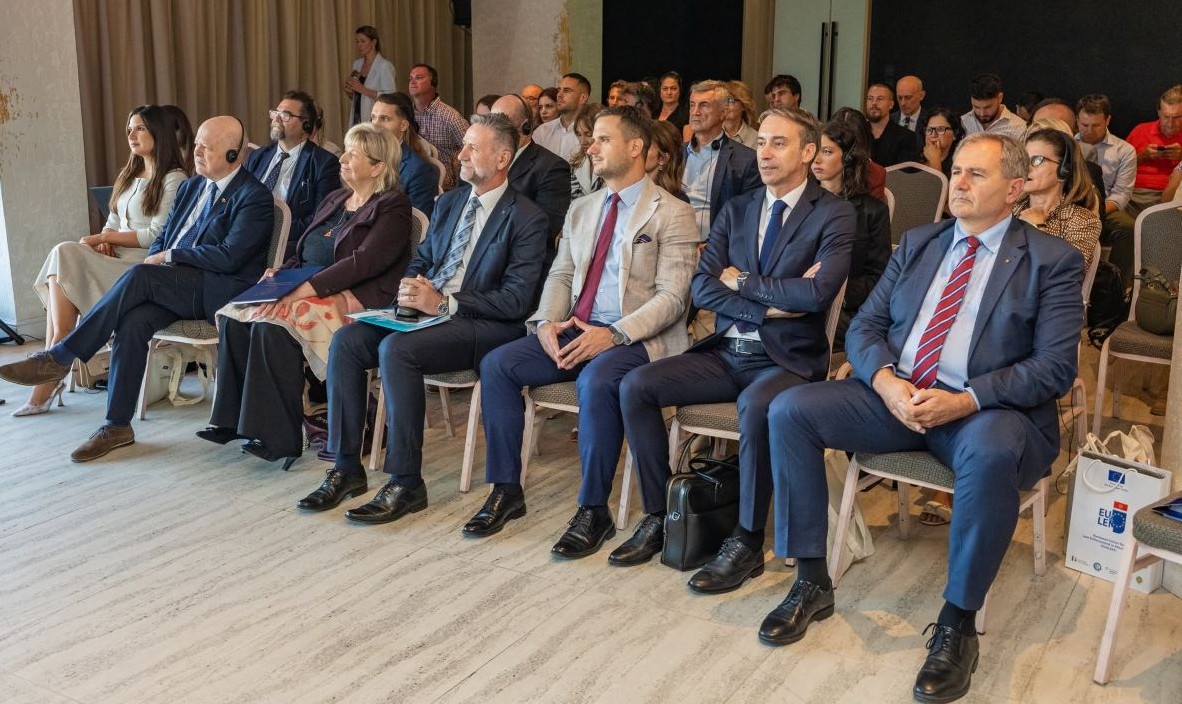
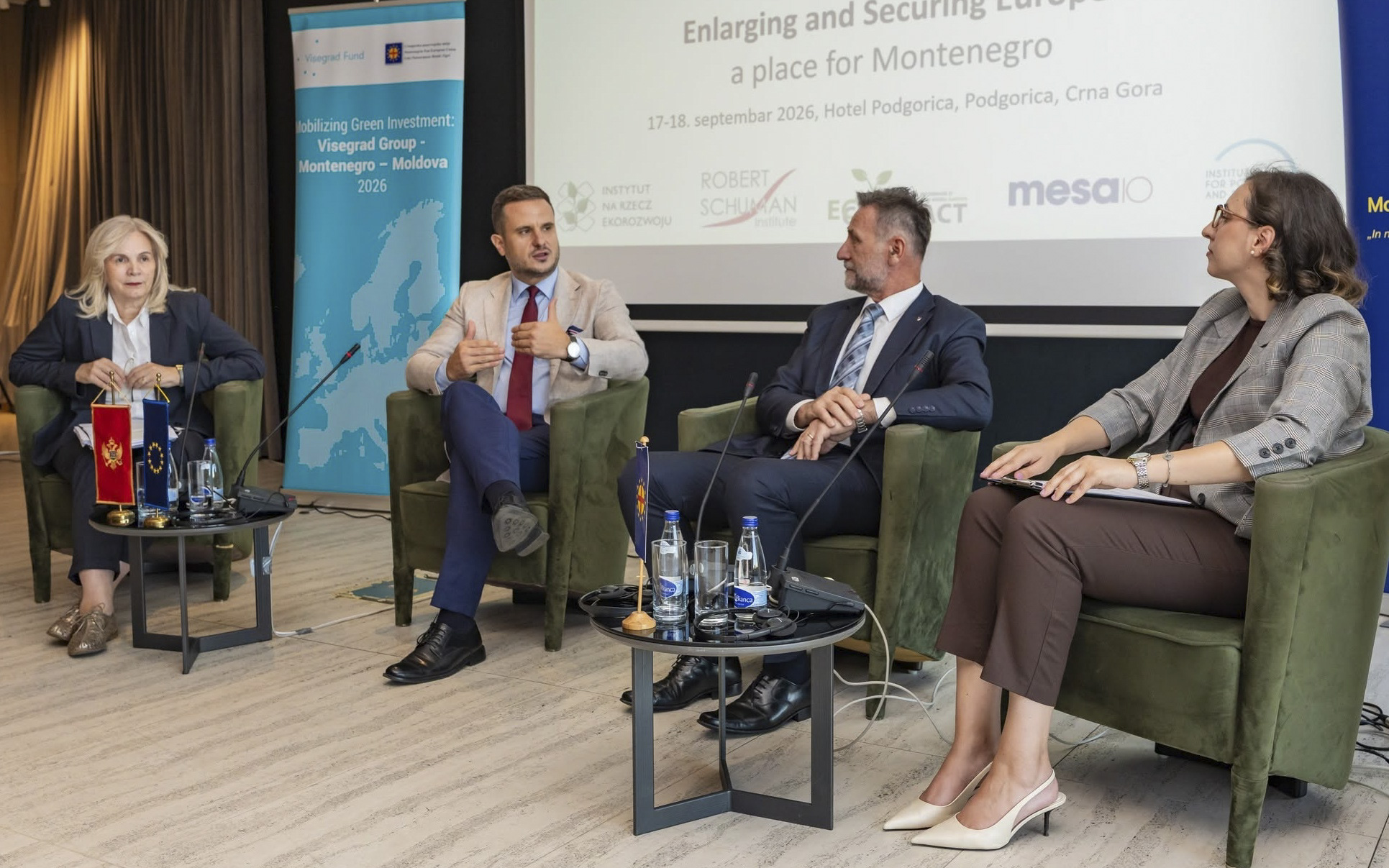
As part of the conference, a programme component of the project “Mobilizing Green Investment: Visegrad Group – Montenegro – Moldova” was presented. The project is implemented with the support of the International Visegrad Fund.
The conference highlighted that Montenegro’s full membership of the European Union by 2028 is an achievable goal and that continued enlargement is of strategic importance for Europe’s security, stability and resilience.
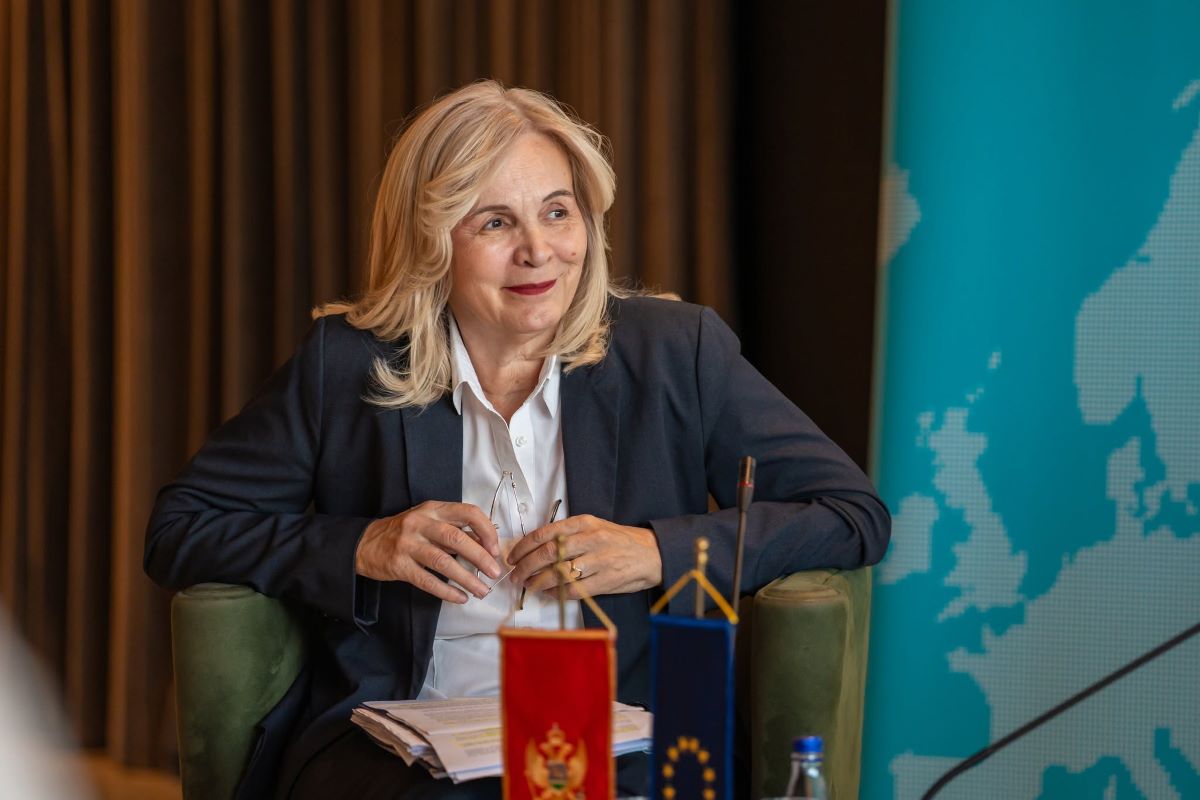
Gordana Đurović, President of the Pan-European Union of Montenegro, stated that Montenegro has a unique opportunity to complete its accession process within the planned timeframe.
Pavo Barišić, President of the International Pan-European Union, said that Montenegro was at the forefront of the enlargement process and that its accession would send a strong signal to other candidate countries. He also emphasised that Montenegro could play an important role in bringing the countries of the Western Balkans closer together.
Predrag Zenović, Montenegro’s Chief Negotiator with the European Union, stressed that reforms and negotiations are essential prerequisites for membership and that Montenegro is currently the closest of the candidate countries to joining the EU. He also stated that negotiating positions for all chapters would be finalised in the coming weeks.
Karlo Ressler, a Member of the European Parliament, addressed the conference via video message. Eva Ponomarenkova, Ambassador of Slovakia to Montenegro, also addressed the participants and reaffirmed Slovakia’s support for Montenegro’s European path.
Representatives of Pan-European organisations from other countries also took part in the discussions. Polina Vekova, Vice-President of the Pan-European Union of Austria; Vanja Gavran, Secretary General of the International and Croatian Pan-European Unions; Andrej Lepavcov, President of the Macedonian Pan-European Union; and Christian Hoferer of the Pan-European Union of Germany spoke about European integration and the prospects for the Western Balkans.
Gavran placed particular emphasis on Croatia’s experience of EU membership, noting that Croatia is now a very different country in many respects from what it was before joining the Union, and that membership has made a substantial contribution to its development. He also commented on Albania, highlighting the country’s rapid transformation and progress in recent years.
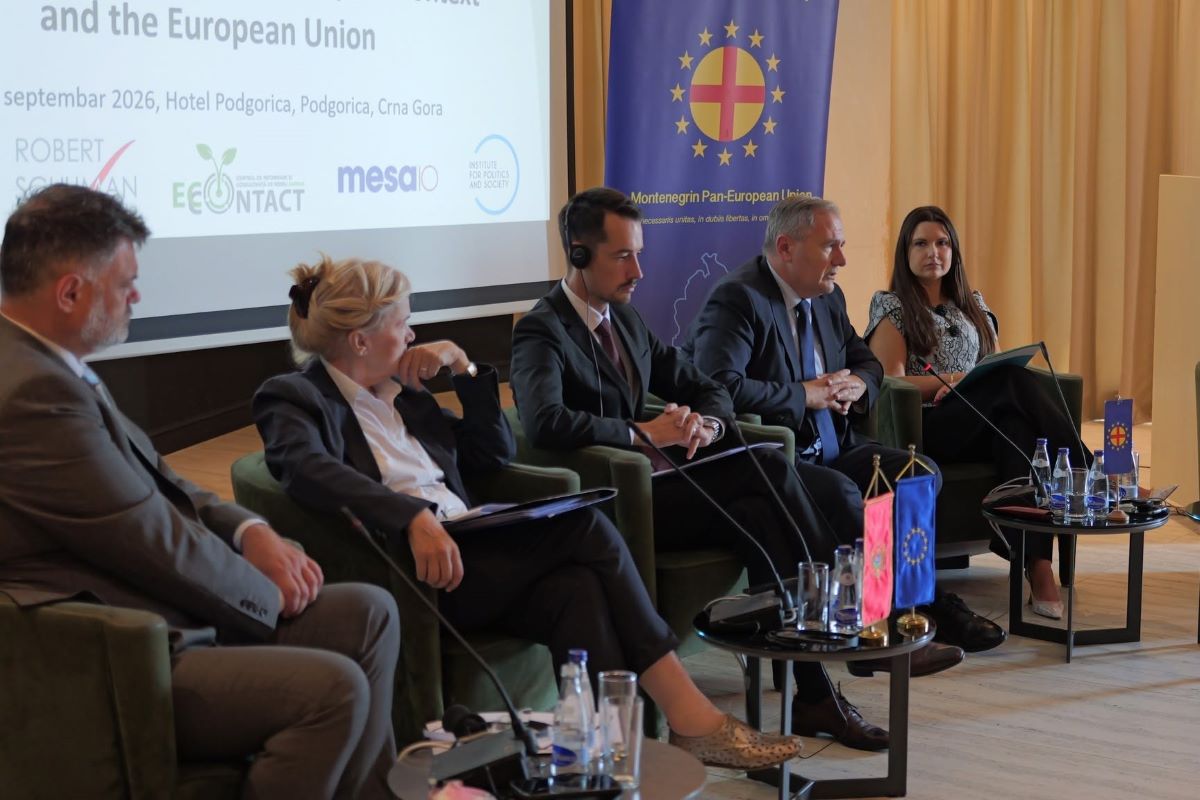
The conference took place in a year marking the tenth anniversary of the Pan-European Union of Montenegro, the twentieth anniversary of Montenegro’s independence, and the centenary of the First Pan-European Congress, held in Vienna in 1926, which the International Pan-European Union is commemorating this year.
Programme (EN) (PDF)